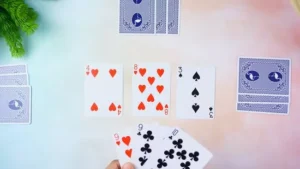
u5471629425_River_Revelations_Mastering_the_Final_Card_in_Pok_4370b7af-b1ef-4e5e-9530-75259c4cfda3_0.png

River Revelations: Mastering the Final Card in Poker and Understanding Its Game-Changing Impact on Strategy, Emotion, and Outcome

In the intricate dance of poker, few moments rival the gravity, suspense, and raw emotion of the river card. As the fifth and final community card is revealed, the tension that has been slowly building throughout the hand reaches its peak. Aptly referred to as “the river,” this final card flows into play like a twist in a suspense novel—capable of bringing salvation, despair, or a dramatic turning point in the narrative of the hand.

The river isn’t just the end of the betting streets—it’s the definitive conclusion to a hand’s strategic arc. It is where the bluff meets the call, where speculative play must face the cold reality of the showdown, and where poker’s delicate balance of skill, psychology, and luck is finally weighed. With four community cards already on the board, player strategies have typically been set in motion—draws have been chased, hands have been built, traps have been laid. And yet, it is this final card that can either reward careful calculation or punish premature aggression.

For the player chasing a straight or flush draw, the river brings either redemption or regret. When the needed card finally appears, it’s often met with an internal eruption of relief—a silent victory cry masked by a steady poker face. These are the moments that players live for, where perseverance and odds calculation bear fruit in a pot-clinching hand. A completed backdoor straight or a surprise two-pair often swings the outcome from a quiet fold to a thrilling showdown.

But the river is not always kind. More often than not, it dashes dreams rather than fulfills them. Players waiting on one last card to complete a winning hand may find themselves staring down a brick—an irrelevant card that offers no salvation. Worse yet, a once-dominant hand may suddenly find itself behind as the board pairs or completes a flush for an opponent. This is the nature of poker’s cruelest truth: no hand is safe until the final card is dealt, and no lead is untouchable.

What makes the river so powerful is its finality. There are no more cards to come, no more opportunities for improvement. Every decision made at this point—whether it’s a value bet, a hero call, or a well-timed fold—carries absolute weight. It is also the phase in which the concept of “pot control” becomes critical. Players must assess whether it is worth extracting thin value, avoiding unnecessary risk, or attempting one last deceptive move to steal the pot.

Emotionally, the river is the climax of poker’s drama. Players who have carefully concealed the strength of their hand may finally reveal their power with a well-sized value bet. Others may attempt one last bluff, aware that a strong narrative and board-reading skills can turn air into gold. Those on the receiving end are left to decipher not just the board but also their opponent’s betting line, physical cues, and timing tells. The showdown—when it comes—is a moment of judgment where lies are exposed, reads are confirmed or shattered, and chips are pushed to their rightful home.

From a strategic standpoint, the river demands a different type of discipline. With one card to go, probabilities are set. There’s no more guessing about future streets—only the need to assess and respond. Did your opponent’s line throughout the hand suggest a draw that just completed? Does their final bet represent a made hand or a last attempt to push you off a marginal holding? These questions demand precision, especially as the pots grow larger and decisions become costlier.

The psychological warfare intensifies on the river as well. Players who have missed their draw may resort to one final bluff, leveraging the fear of that very draw having hit. Conversely, those holding the nuts must decide how to extract maximum value—do they go for the overbet, the check-raise, or a subtle lure with a smaller sizing? Every line taken on the river is a reflection of earlier decisions, making this stage not just about the card, but the entire storyline of the hand.

The river is also where true poker players distinguish themselves. Beginners may struggle here—unsure whether to bet, call, or fold—because they haven’t yet internalized the importance of betting lines and ranges. Seasoned players, however, treat the river as a test of memory, intuition, and nerve. They know that each action taken earlier in the hand feeds into their final move, and they use this accumulated information like a weapon. It’s not just a card—it’s a culmination.

Ultimately, the river is the soul of poker. It is dramatic, final, and merciless. It can validate a brilliant strategy or undo it in an instant. It is the stage where confidence must confront consequence, where theory must give way to action, and where champions are either made or exposed.

Whether it delivers glory or heartbreak, the river is a celebration of everything that makes poker enduringly fascinating. Its unpredictability, intensity, and narrative depth transform the game into something more than cards and chips—it becomes a contest of wit, patience, and courage. And in that final reveal, as the last card hits the felt, the truth of the hand is laid bare, echoing poker’s timeless promise: that one card, one choice, can change everything.

Where to Next:

u5471629425_5_Card_Draw_Poker_Unveiling_the_Classic_Game_of_S_595165c7-50c1-4bc5-971a-5dbfd7d9452d_1.png

Play Tight, But Aggressive: Mastering the Art of Poker Strategy

Play Tight, But Aggressive: Mastering the Art of Poker Strategy In the world of Poker, understanding the concept of playing tight, but aggressive is crucial to becoming a successful player. This strategy is often used by experienced professionals to maximize their potential winnings while minimizing their risk. So, what does it mean to “play tight,

Read More »
u5471629425_The_Richest_Poker_Players_in_History_The_All-Time_e9fb7ae0-81c2-4d77-b3a9-b0d7cb9f0419_0.png

How to Play Poker | The Ultimate Guide to Poker Basics

How to Play Poker | The Ultimate Guide to Poker Basics Poker is one of the most popular and thrilling card games globally, enjoyed in casinos, homes, and online platforms. Whether you’re a beginner or looking to sharpen your skills, learning the basics of how to play Poker is essential. In this guide, we’ll walk

Read More »
What Are Crash Casino Games and How Do You Play Them?

What Are Crash Casino Games and How Do You Play Them?

Crash Games What Are Crash Casino Games and How Do You Play Them? Crash casino games are a popular and thrilling type of online gambling that focus on simple yet exciting gameplay. Unlike traditional slot games or table games, crash games are all about timing. Players place bets on a multiplier that increases as the game

Read More »
Live Roulette Comparrison

Play Live Roulette Online With Real Dealers at UK Licensed Casinos

Play Live Roulette Online With Real Dealers at UK Licensed Casinos Live roulette has become one of the most recognisable formats of online casino gaming in the UK because it blends traditional casino presentation with modern streaming technology. Instead of playing against software alone, live roulette uses real wheels, real cards, professional dealers and studio or

Read More »

FAQ: Understanding the River In Poker

1. What is the river card in poker?

The river card is the fifth and final community card dealt face-up on the table, completing the board and offering players one last chance to improve their hands before the showdown.

2. When is the river card dealt?

The river card is dealt after the completion of the final round of betting, following the turn card. It is the last card to be revealed in a hand of poker.

3. What is the significance of the river card?

The river card can significantly impact the outcome of a hand by completing draws, creating potential for strong hands, or altering the strength of existing hands. It is often a pivotal moment in the hand.

4. Can players bet on the river card?

Yes, players can bet, check, call, raise, or fold on the river, just like in previous betting rounds. The river betting round is the final opportunity for players to influence the size of the pot.

5. What happens after the river card is dealt?

After the river card is dealt and the final round of betting concludes, players who remain in the hand reveal their hole cards in the showdown, and the winner is determined based on the best five-card hand.

6. How does the river card impact players’ strategies?

The river card can prompt players to reassess the strength of their hands and adjust their strategies accordingly. Players may bluff, value bet, or make defensive plays based on the river card and their opponents’ actions.

7. What are common scenarios on the river?

Common scenarios on the river include players hitting their draws (such as completing a flush or a straight), the river card improving existing strong hands, or the river card creating potential for a dramatic showdown.

8. What if players are unsure of the strength of their hands after the river card?

If players are uncertain about the strength of their hands after the river card is dealt, they may opt to check and see their opponents’ hands in the showdown, rather than risking additional chips with a bet or a raise.

9. Can the river card lead to unexpected outcomes?

Yes, the river card has the potential to produce unexpected outcomes by completing draws, creating strong hands, or altering the hierarchy of hands in the showdown. It adds an element of uncertainty and excitement to the game.

10. How can players maximize their success on the river?

Players can maximize their success on the river by carefully considering the potential implications of the final card, accurately assessing their opponents’ likely holdings, and making informed decisions based on their hand strength and the dynamics of the hand.